Why reuse the baseboard?
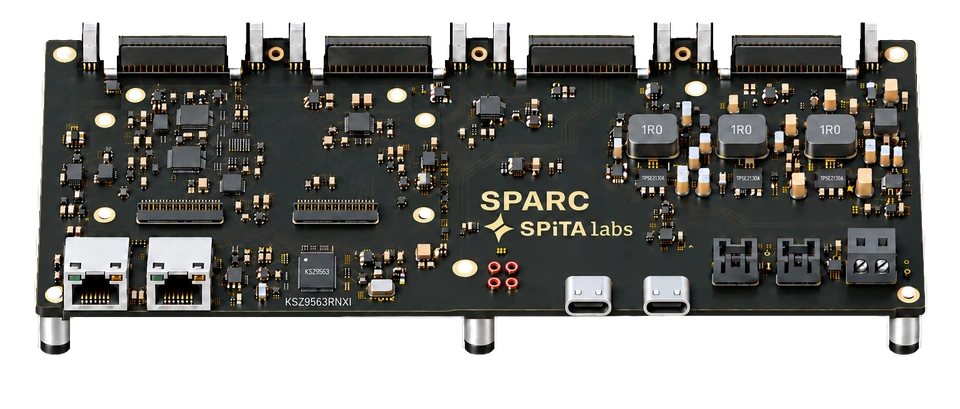
The baseboard carries power, external I/O, and card connections. We're designing it for reuse across hardware revisions, so each change doesn't have to start with a new PCB.
Why rebuild the parts that already work?
We're developing a reusable baseboard with replaceable daughter cards and software-configurable connections.
spitalabs.com/#launch-film
Changing a sensor or processor can mean a PCB redesign, another fabrication run, and another round of testing. SPARC is our effort to make those changes without replacing the parts that still work.
The baseboard carries power, external I/O, and card connections. We're designing it for reuse across hardware revisions, so each change doesn't have to start with a new PCB.
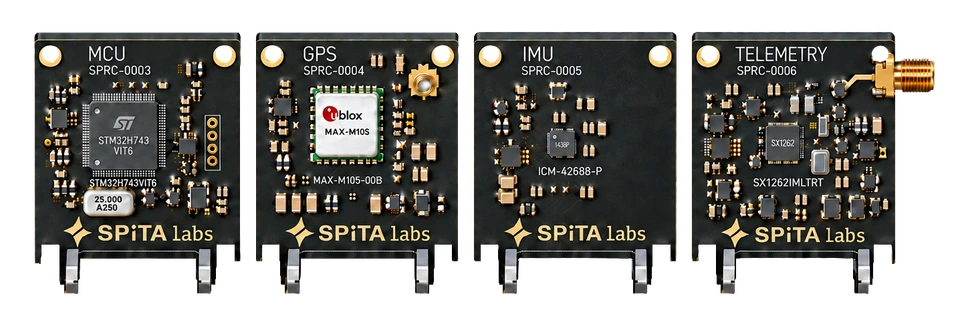
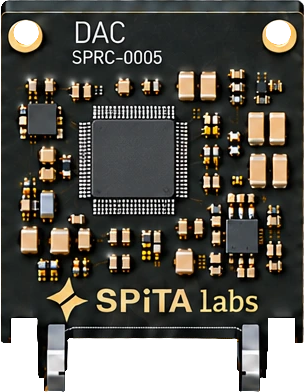
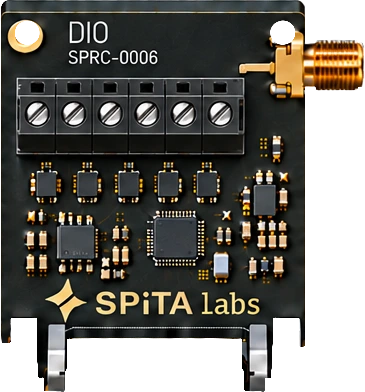
Replaceable cards hold a sensor, processor, or interface. The aim is to redesign only the card that needs to change, while keeping the baseboard and other cards.
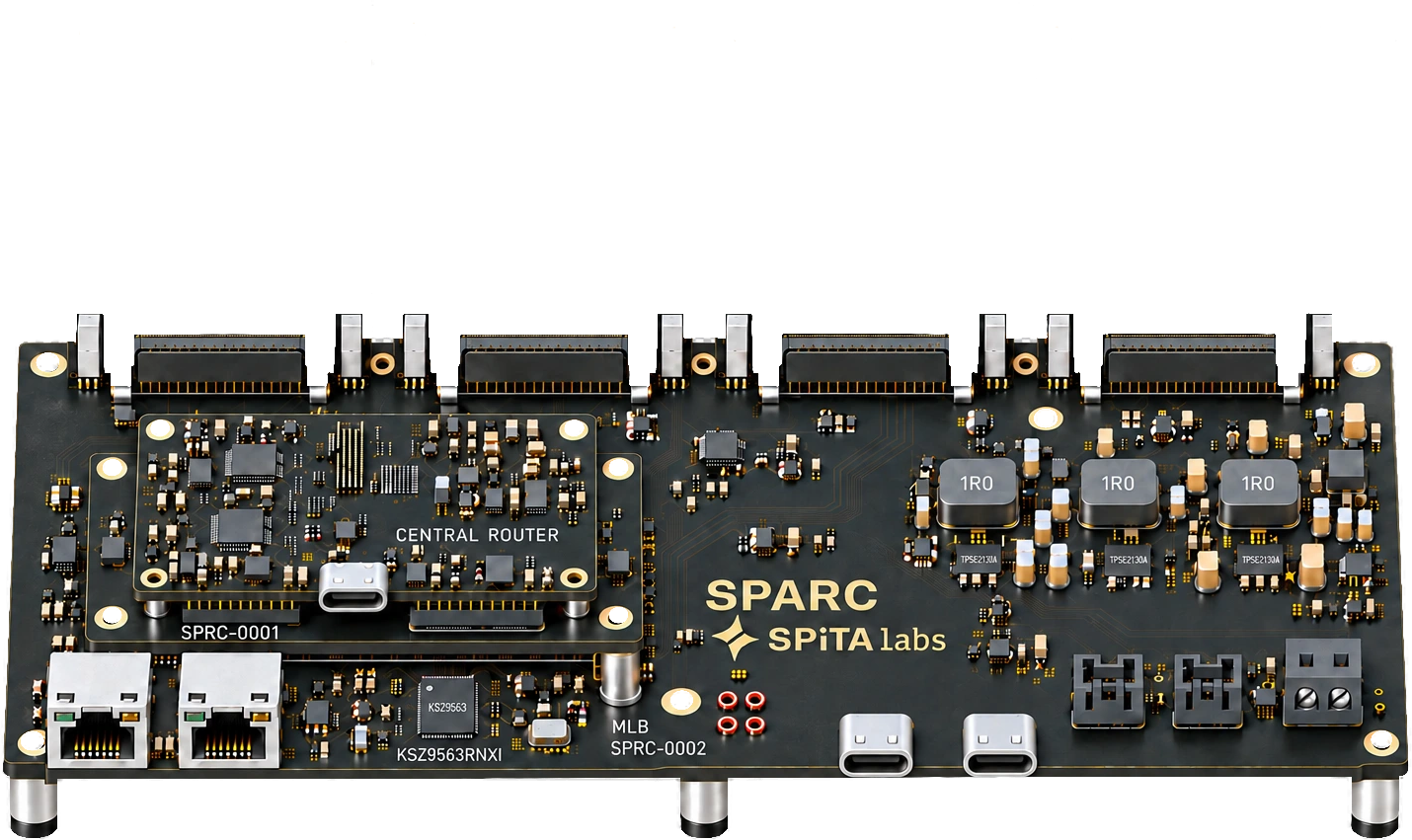
Replaceable cards alone aren't enough if the wiring stays fixed. We're developing a configurable routing chip to change supported connections in software. New configurations still need system testing.
Like replacing a camera for a new lens.
Like changing the lens, not the camera.
Our goal: swap any compatible SPARC card, not just sensors.
SPARC separates the parts you change from the board you keep.
A daughter card is a smaller board for a sensor, processor, or interface. We're developing the SPARC interface standard so engineers can design compatible cards for their own applications.
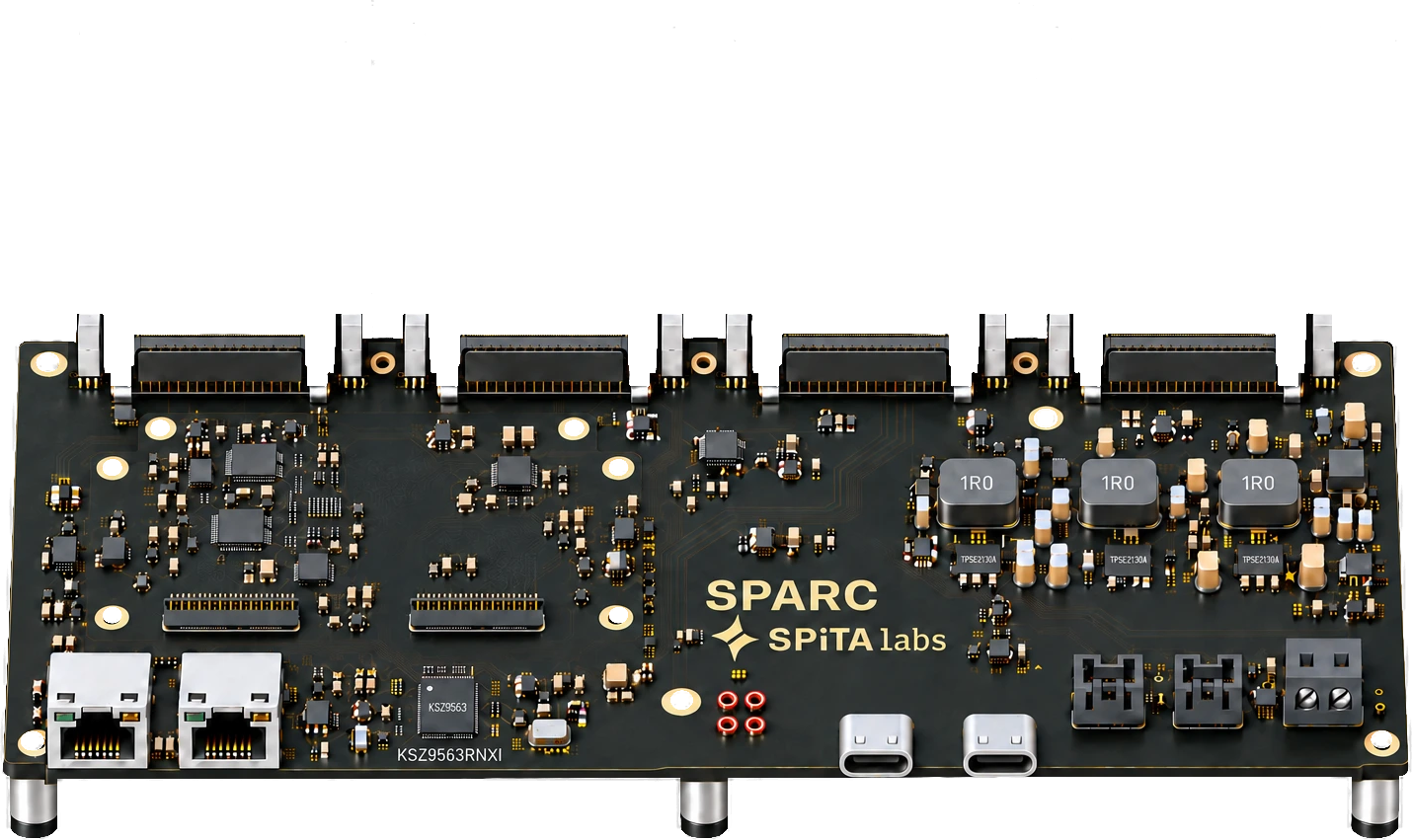

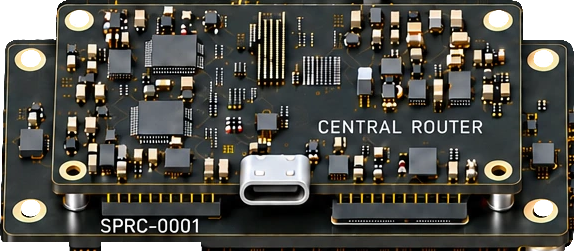
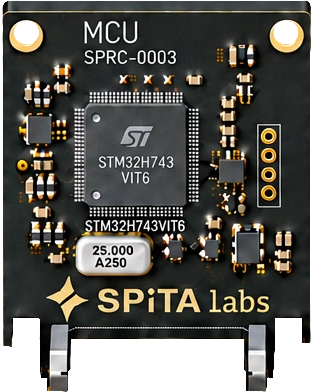
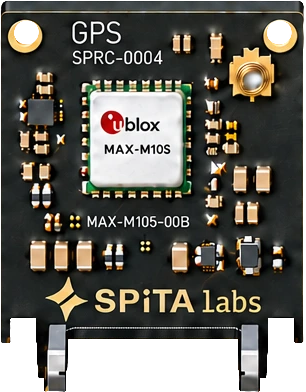
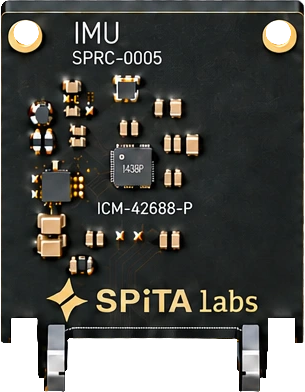
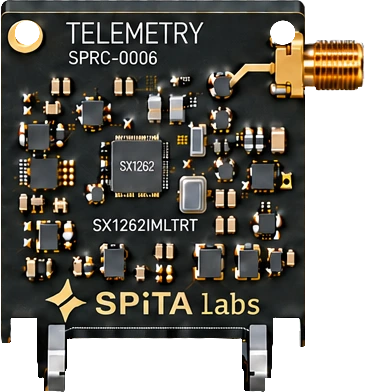
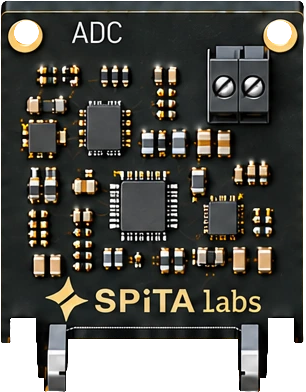
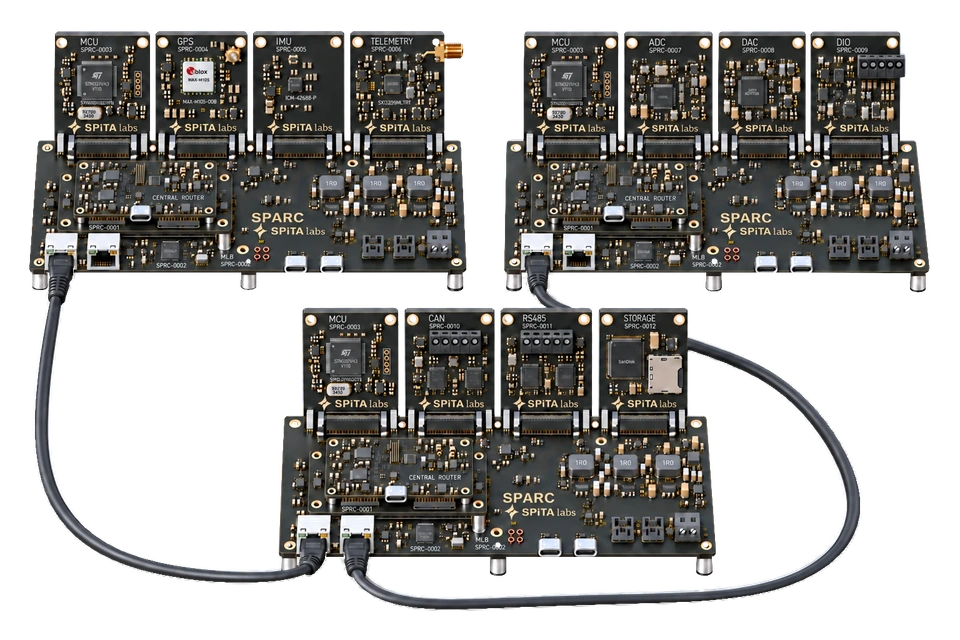
This example replaces a positioning card with a data-acquisition card on the same baseboard.
The MLB and complete system remain in development.
These renders show how the parts would fit together.
Main logic board in development.
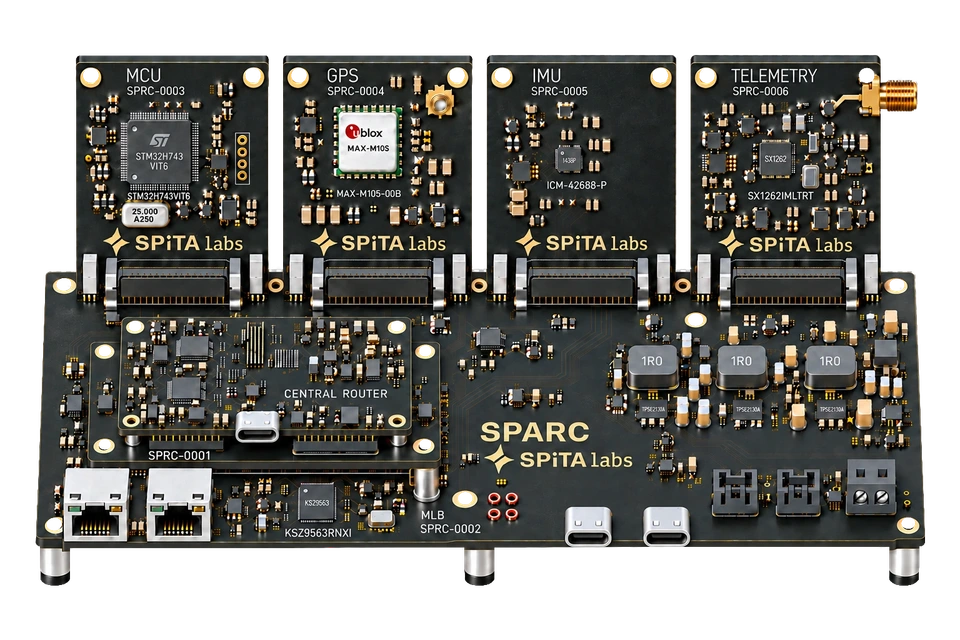
This is the platform we're working toward, with a main logic board, a routing controller, and four daughter cards.
Assembly: An example of the assembled system
I want engineers to spend more time building, and less time waiting.
SPARC started with our university rocket team. We wanted to try different avionics components without designing a new baseboard each time.
On Saturday nights, I'd pick everyone up and we'd work at my house until two or three in the morning. Then I'd drive them back to their dorms. It started as a project we enjoyed working on together.
Working on hardware at Apple, NVIDIA, and Etched made the cost of another board revision hard to ignore. Even a small change could mean sending a board to fabrication and waiting before we could test it.
I believe hardware should compound: each revision should build on what already works. That's the idea behind SPARC's reusable baseboard, replaceable cards, and connections we're working to make configurable in software.
We're not building it for just one industry. The vision is a shared foundation that engineers can adapt with their own daughter cards, whether they're building robotics, instruments, or something we haven't considered.
That means the interface standard matters as much as the board. We want engineers to design cards for their own needs, rather than depend on us to anticipate every application.
I want SPARC to be the platform I wished we had when we started that rocket-team project.
Our team brings together board design, systems architecture, chip engineering, and product and business systems.
CEO, Product & Architecture
Georgia Institute of Technology
Electrical Engineering & Aerospace Engineering
Hardware experience at Apple, NVIDIA, and Etched.




Systems Architecture
Georgia Institute of Technology
Electrical Engineering & Aerospace Engineering
Apple hardware engineering.
Platform Systems
Georgia Institute of Technology
Electrical Engineering
Apple hardware engineering.
Product & Business Systems
University of Minnesota
Finance & Management Information Systems
Founder, Scentola (consumer brand)
Cross-Border Payments, Tranglo


Tim Li Morris Lee
Experience and education describe individual backgrounds, not company partnerships or endorsements.

Tell us what you're building, what keeps slowing you down, and what you'd want from SPARC. We'd like to understand where it could help.
Building hardware or thinking about backing the team? Let's talk.